 GTA 6 GUIDE
Vehicles Guide
GTA 6 Cars and Vehicles: What's Confirmed
The Short Answer
Rockstar has never published a GTA 6 vehicle list, so this page catalogues vehicle types confirmed in official trailers and artwork: muscle and sports cars, lowriders, speedboats and yachts, seaplanes, helicopters, dirt bikes, ATVs, airboats and trucks. Any site listing hundreds of named 'confirmed' cars is extrapolating — in-game model names are discovered by playing, not announced.
Confirmed on the road
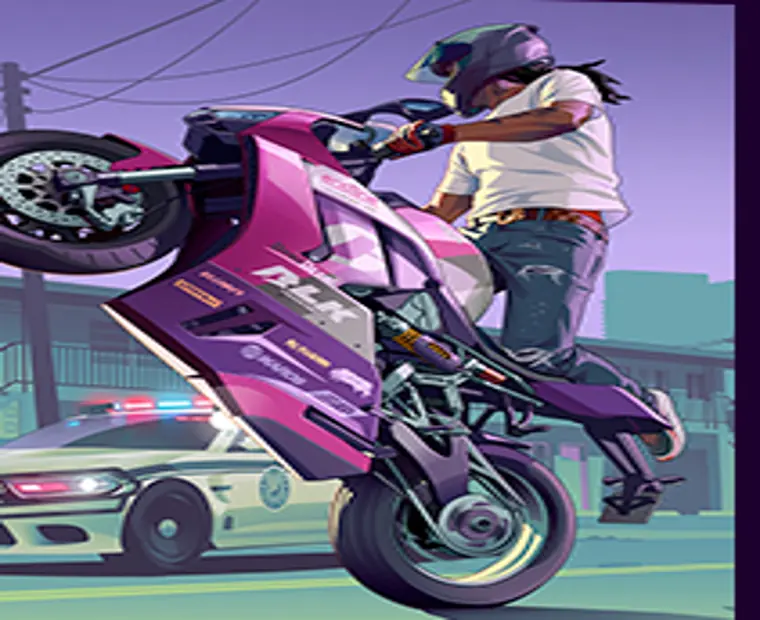
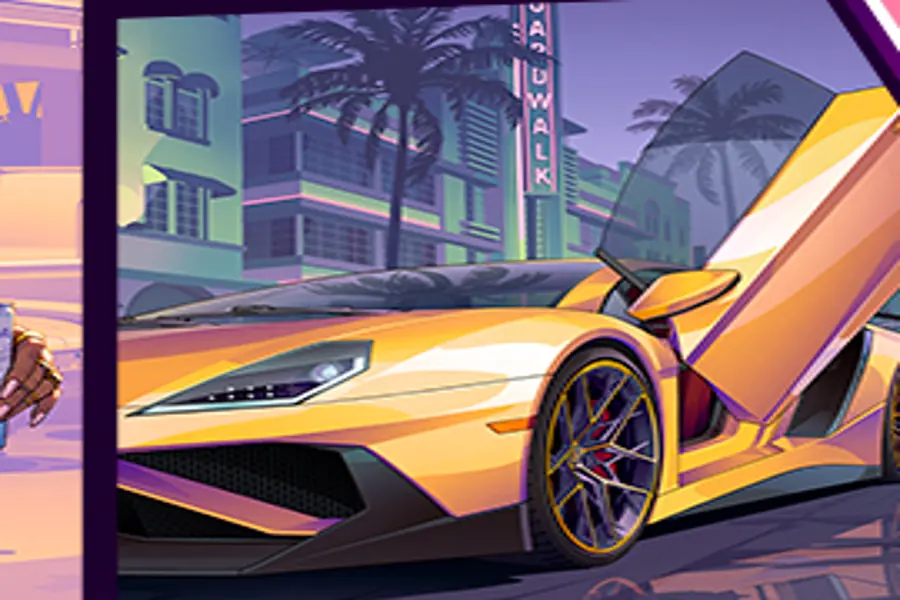
The trailers' Vice City is a car culture first: Jason's battered muscle car is practically a third lead, and the footage around it shows modern sports cars and supercars, classic American muscle, lowriders, pickups, SUVs, police interceptors and the dirt bikes and ATVs that swarm intersections in the trailer's most-shared clips. The official key art adds a yellow supercar as one of its hero panels. Car meets and street takeovers appear as living parts of the world, not just traffic.
Confirmed on the water and in the air
Leonida is a state of water, and the vehicle roster follows: speedboats, yachts, jet skis and fishing boats fill the marinas; airboats work the Grassrivers; seaplanes — including the one in the key art's helicopter-and-seaplane panels — and helicopters cover the skies, alongside private planes in the Trailer 2 set pieces. Given the Keys' smuggling storylines, boats are not decoration in GTA VI; they are core transport, which the Leonida Keys guide explores.
What is NOT confirmed
Two cautions. First, specific in-game model names and stats ('fastest car', full vehicle lists) come from playing the released game and from community wikis that log them — Rockstar never announced them, and pre-launch lists were guesses. Second, the game's vehicle systems — customisation depth, ownership, insurance-style mechanics inherited from GTA Online — were never detailed by Rockstar for the single-player game, and GTA Online's systems do not automatically carry over. This page sticks to what official footage shows; for the multiplayer reality, see the online guide.
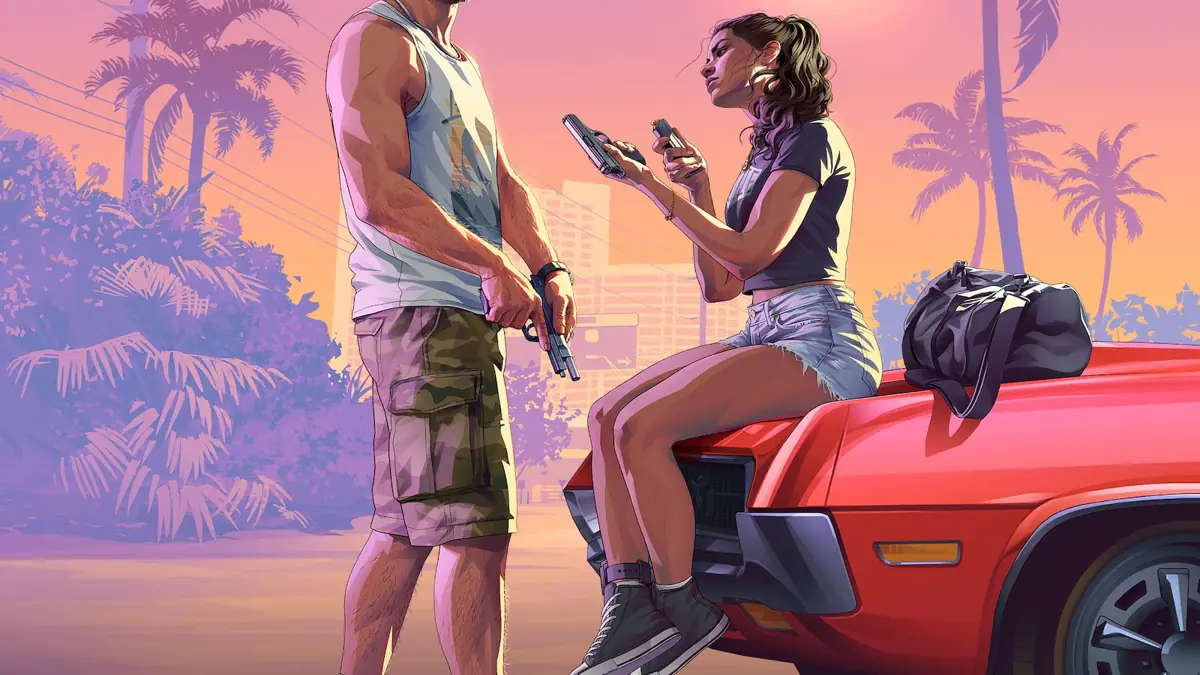
The couple's car: the image that says it all
One vehicle deserves its own paragraph because Rockstar made it the game's emblem: the weathered red muscle car of the duo artwork, with Lucia on its trunk and Jason at its side. It is not the fastest or newest machine in Leonida — it is a working couple's car, and that is the point. Around it, the trailers arrange the state's automotive ladder: the supercars of the Vice City rich (the key art's yellow flagship), the lowriders and bikes of its streets, the pickups of its farmland, the interceptors of its police. The fantasy on sale is not a garage of exotics; it is a whole society expressed in vehicles, with the couple starting near the bottom of it.
For players, the practical shape is familiar GTA grammar at new scale: steal, buy, borrow and boost your way across six regions' worth of roads, water and sky. Named model lists and performance rankings are community-catalogued from the released game (see the honesty note in the final section above); this page's job is the confirmed frame.
Boats are not a side feature here
In most GTA games, boats are garnish. In Leonida they are infrastructure: the Keys' smuggling economy runs on them, the marinas are workplaces, and the state's geography — islands, canals, swamp channels, open Gulf — makes water a primary medium. The trailer footage treats speedboats the way past games treated sports cars, as chase vehicles in their own right, and the seaplane in the key art's opening panel extends the same logic to the air. If one vehicle category defines GTA VI's difference from Los Santos, it is the fleet.

Vehicle culture, region by region
Leonida's vehicles are cast like its people — by region. Vice City runs on display: supercars, convertibles and the lowrider scene's rolling art. The Keys run on utility and water: pickups, boat trailers, and the speedboats that are the region's true cars. Ambrosia is truck and bike country — farm pickups, dirt bikes, ATVs in the mud. The Grassrivers belong to airboats and swamp buggies, machines that ignore the road network entirely. And over all of it, the state's police fleets and helicopters give the wanted system its silhouette. Learning a region's vehicles is learning its economy, which is why the trailers introduce places through their traffic.
For the catalogue-minded: model-by-model lists, spawn behaviour and performance testing are the player wikis' territory now that the game is out. This page's confirmed frame — categories, classes and the vehicles Rockstar chose to feature — is the stable reference underneath those living documents. The gameplay guide covers how driving, boating and flying fit the game's systems.
Fast, furious and fictional: the naming game
New players always ask for the real names, so the convention belongs on this page: GTA's vehicles wear fictional badges — the series parodies manufacturers rather than licensing them — and the community maps each model to its real-world inspiration by eye. That mapping is fan work (fun, usually accurate, never official), and it explains searches that pair the game with movie-franchise vocabulary or actors' names: the culture around car media bleeds into the game's. What Rockstar confirms is the fleet's shape — the classes and the featured machines in the sections above. The unique and collectible end of the garage, the flips and impounds of the story's car economy, are the released game's to catalogue, on the wikis that do it daily.